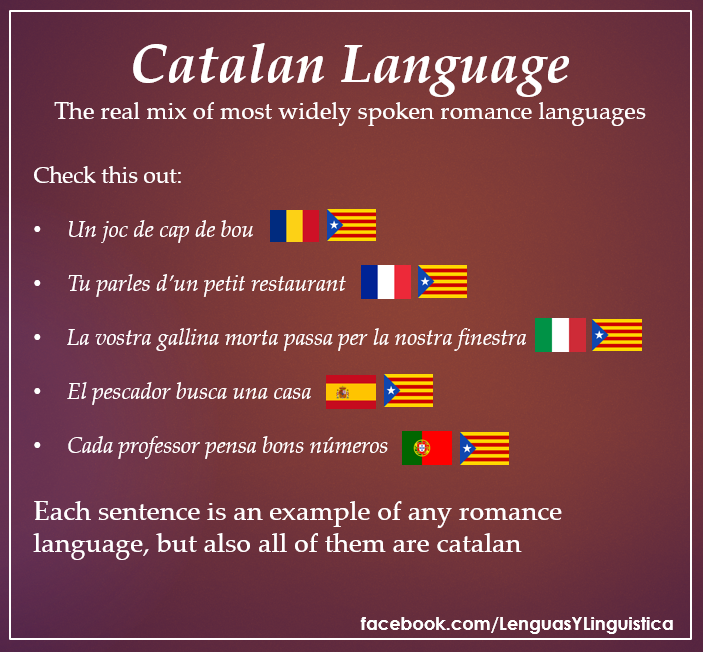
This language is amazing as well as the people who speak it:

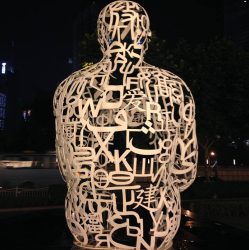
South Pacific Institute of Communication and Languages
Intercultural communication is our main goal. No bias, no politics.
This language is amazing as well as the people who speak it:
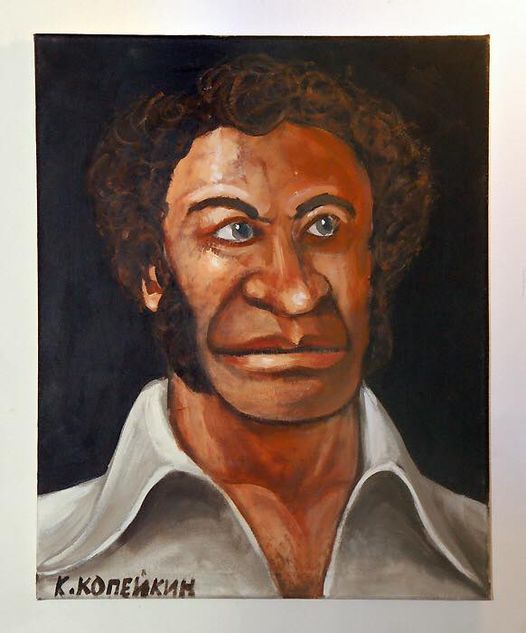
Alexandre Pushkin (6 June 1799 – 10 February 1837) was a Russian poet, playwright, and novelist of the Romantic era who is considered by many to be the greatest Russian poet was not only Russia’s greatest poet, but he was also the great-grandson of an African slave. The slave, whose godfather was Peter the Great, claimed to have royal blood of his own. Certainly his Russian descendants believed that he was an African prince. His descendants have included members as well as close friends of the English royal family. So the legend goes on. Pushkin told the story of his black ancestor in “The Negro of Peter the Great“, but this biography tells a different version. The main difference is between fact and fiction. The Russian poet hoped to discover a biographical truth by sticking to the facts, only to discover that facts are slippery and not always true. His biography turned into a novel.

Understanding the Clan System is crucial to understanding who you are as a Navajo individual. The original four clans are Kinyaa’áanii (Towering House), Honágháanii (One Who Walks Around), Tó’dích’íinii (Bitter Water), and Hashł’ishnii (Mud Clan). The video below explain the complexity of the Navajo Clan System:
Emu egg versus chicken egg:

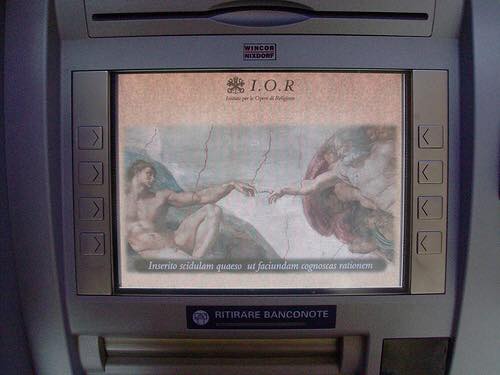
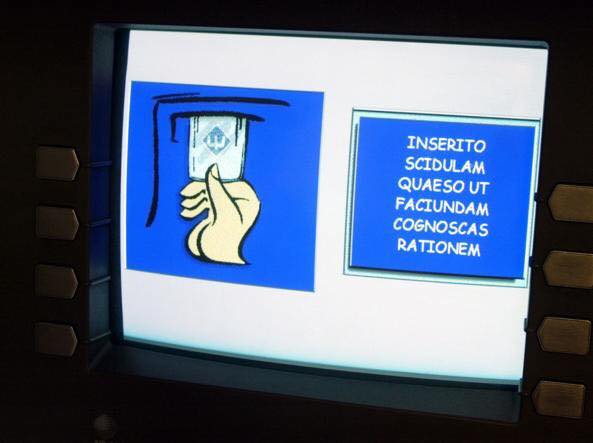
Vatican City is home to the world’s only Latin language ATM
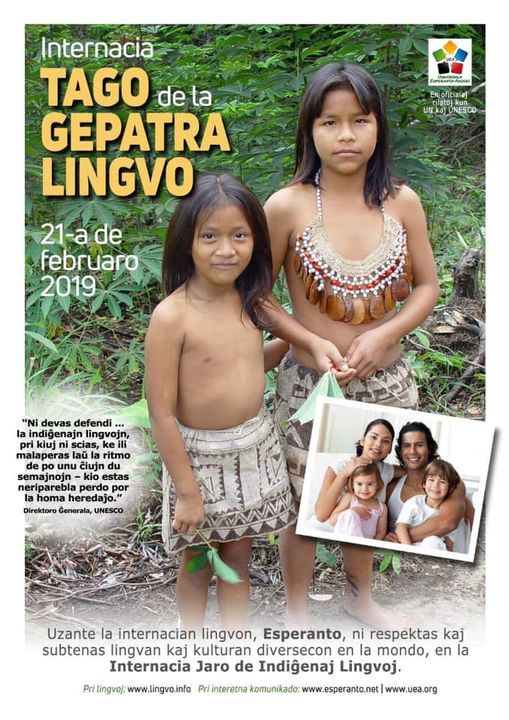
www.esperanto.net
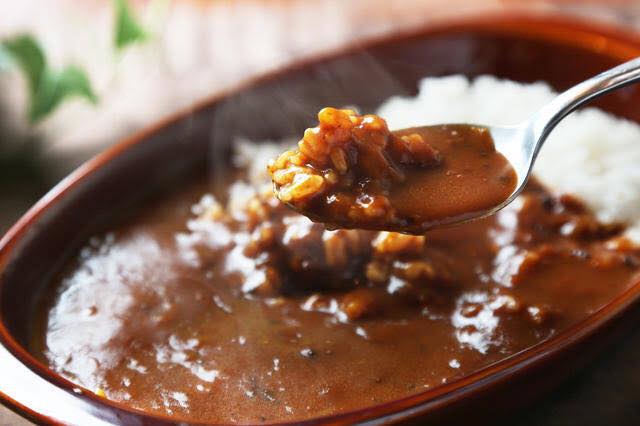
Curry was introduced to Japan during the Meiji era (1868–1912) by the British, at the time when the Indian subcontinent was under the colonial rule of the British Raj. The recipes for curry in Japan were not those of Indian curries, but based on British curry powder, and were thought of as being of Western origin.

Gender is sexually assigned for humans and animals, but semantically assigned for inanimate objects on the basis of shape. Things that are thin, small and straight are assigned to the masculine gender, and objects that are large round and ample are assigned to the feminine. As a result, nominals in Tiwi may take either gender depending on the context and reference. Grass, for instance, is masculine when referring to a blade of grass, but feminine when referring to a patch or expanse of grass.


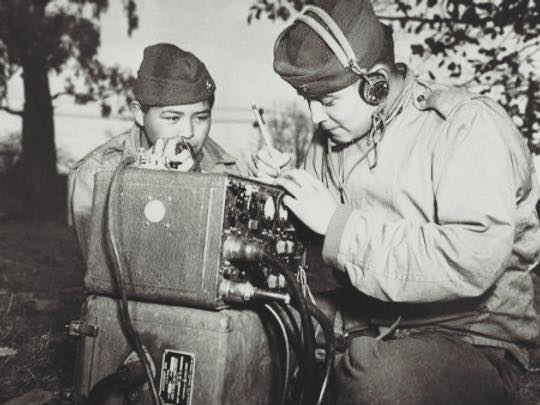
The idea for using the Navajo language as a military code came from Philip Johnston in 1942. He was a World War I veteran and the son of a missionary who lived on the Navajo Nation. According to the National Archives and Records, Johnston got the idea after reading an article that talked about how the Army used Native American soldiers as signalmen during training maneuvers. His experience growing up with Navajo language and culture is what led him to suggest it be used as a military code, noting that the language was unknown among other tribes and the public. Johnston went to the Naval Office in Los Angeles, California, and was referred to Major James E. Jones at Camp Elliot in San Diego. Jones was skeptical about the idea until Johnston spoke a few Navajo words to him and was asked to do a trial run with Navajo people. The Navajo radio code comprised words selected from the Navajo language and applied to military phrases. The initial code featured 211 terms, and during the course of World War II, it expanded to 411. The Navajo language has no military terminology, and most of the code developed was new and instilled with military meaning. For example, the Navajo word used for ships was “Toh-Dineh-ih,” which means Sea Force. Along with the code terms, the Navajo Code Talkers developed an alphabet system using Navajo words. The Navajo words, when translated into English, would spell out one of the 26 letters in the alphabet. Before the end of the war, the alphabet was expanded to 44 words by assigning more words to frequently repeated letters.n 1942, the U.S. Marines recruited 29 Navajo men to be Navajo Code Talkers. Each recruit had to meet the general qualifications of a Marine as well as be fluent in Navajo and English. The recruits were brought to the Recruit Depot in San Diego on May 5 for seven weeks of basic training. Once finished, the soldiers were moved to Fleet Marine Force Training Center at Camp Elliott in San Diego. It was there that the 29 men underwent intense special courses for message transmissions and radio operation, and developed the code used during the war. The original 29 Navajo Code Talkers were Charlie Sosie Begay, Roy Begay, Samuel H. Begay, John Ashi Benally, Wilsie Bitsie, Cosey Stanley Brown, John Brown Jr., John Chee, Benjamin Cleveland, Eugene Crawford, David Curley, Lowell Damon, George Dennison, James Dixon, William McCabe, Carl Gorman, Oscar Ilthma, Allen June, Alfred Leonard, James Manuelito Sr., Chester Nez, Jack Nez, Lloyd Oliver, Frank Pete, Balmer Slowtalker, Nelson Thompson, Harry Tsosie, John Willfe Jr. and Yazzie William.Eight Navajo Code Talkers are still alive. The original 29 Code Talkers have all died, and the total number of Navajo Code Talkers that served in the U.S. Marines is not known. It is estimated between 350 to 420.